Where to Find a Reliable Custom Display Manufacturer?
Choosing the right display manufacturer is an important decision for beauty brands, retailers, and distributors. A well-designed display does more than hold products. It helps organize merchandise, highlight key features, strengthen brand recognition, and encourage customers to explore different products.
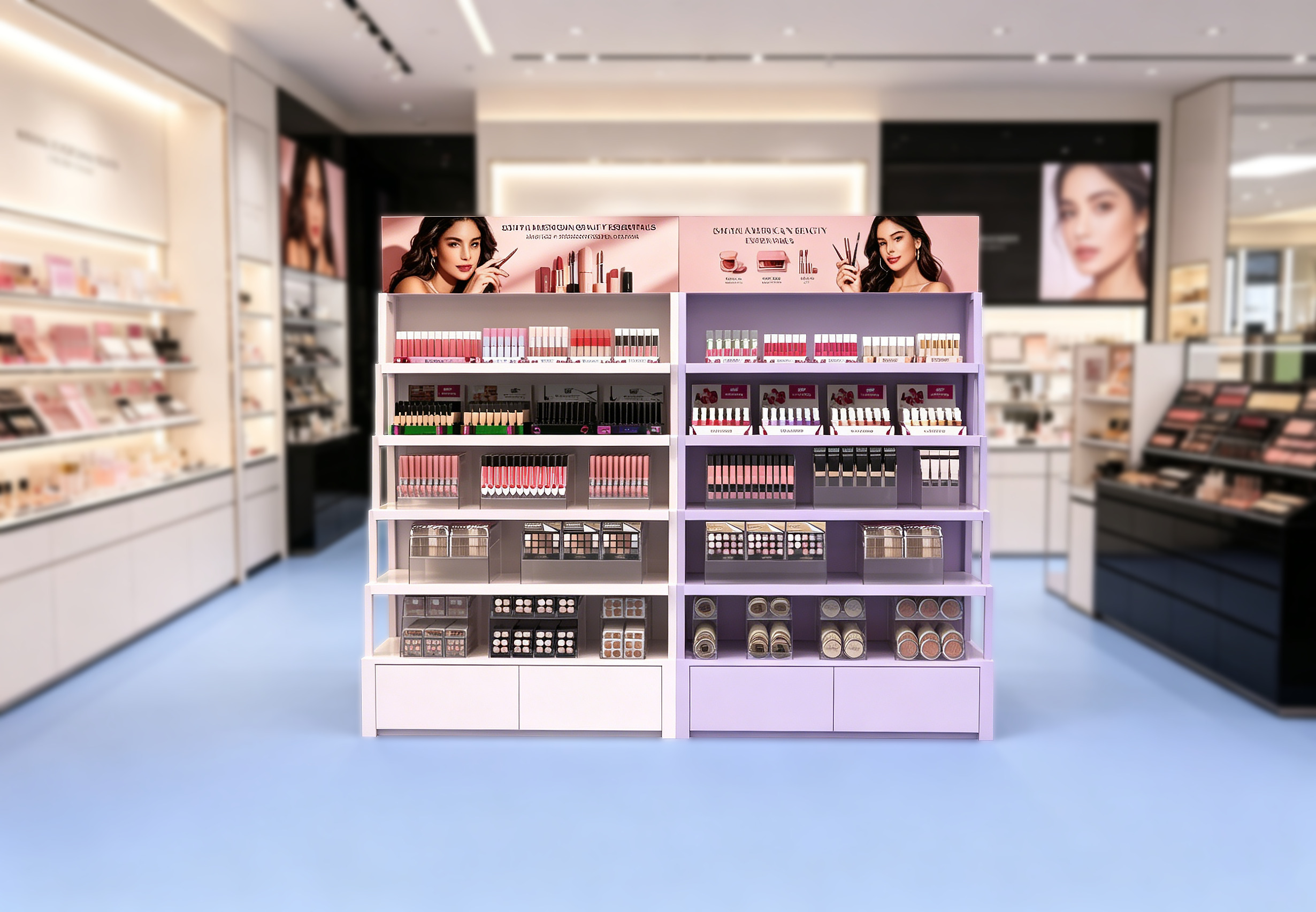
However, finding a reliable manufacturing partner involves more than comparing prices or browsing product catalogs. Buyers should consider design capabilities, material selection, production quality, customization options, and delivery arrangements.
For businesses looking for tailored retail display solutions, WeituDisplay offers custom display design, manufacturing, and related services for different retail environments. Understanding what to look for in a supplier can help buyers make a more informed decision.
1. Look for a Manufacturer with Relevant Industry Experience
Not every display manufacturer understands the requirements of beauty and cosmetics retail. Makeup, skincare, fragrance, and personal care products have different packaging sizes, presentation needs, and merchandising requirements.
A manufacturer with relevant experience should be familiar with various display structures and materials, including acrylic, metal, wood, and other retail-grade materials.
For example, cosmetics retailers may need an acrylic lipstick stand to present different shades clearly. A compact powder display should make individual products easy to identify, while an eyeliner display needs practical organization for different colors and product variations.
Other common requirements include:
A sponge display for makeup tools and accessories.
A skincare endcap for promoting skincare collections.
A fragrance display for presenting perfume bottles.
A nail polish spinner for organizing multiple nail colors.
An SPF display stand for seasonal sun protection products.
Reviewing a manufacturer's previous projects can help determine whether its experience matches your product category.
2. Check Its Custom Design and Development Capabilities
A reliable manufacturer should be able to develop displays according to your specific requirements rather than simply offering standard designs.
Custom projects may involve different dimensions, product capacities, materials, colors, lighting features, graphics, and structural arrangements. These details should be discussed before production begins.
It is also useful to check whether the manufacturer can provide design support during the development process.
A professional workflow may include:
Reviewing product dimensions and packaging.
Discussing display functionality and visual direction.
Preparing a 3D display render for design evaluation.
Confirming materials, colors, and structural details.
Producing samples before mass manufacturing.
Sample development is particularly important when a project involves unfamiliar structures or specific product requirements. Through display sampling, buyers can evaluate the actual appearance, dimensions, and functionality before approving larger production quantities.
3. Evaluate Material Quality and Brand Consistency
Display materials influence both product presentation and long-term performance. The right choice depends on the retail environment, product weight, expected usage, and overall brand positioning.
Acrylic is popular for cosmetics displays because it offers a clean appearance and allows customers to see products easily. Metal can provide additional structural support, while wood may create a warmer and more premium retail atmosphere.
Color consistency is another important consideration, especially for brands operating across multiple stores.
If your company has established brand guidelines, ask whether the manufacturer can match specific colors and graphic requirements. A Pantone color display solution can help maintain visual consistency across customized retail fixtures.
Before placing an order, clarify:
Which materials are available?
Can the manufacturer follow brand color specifications?
Are printing and logo applications customizable?
How are surface finishes and structural details checked?
Can the same specifications be maintained across repeat orders?
These questions help reduce the risk of receiving displays that look different from the approved design.
4. Make Sure It Can Handle Different Display Sizes
Businesses have different merchandising requirements depending on their retail space and sales channels.
A small cosmetics boutique may only need a compact countertop unit, while a large beauty retailer may require coordinated displays throughout an entire store.
A capable manufacturer should understand these different applications.
For smaller retail spaces, a counter display can help introduce selected products near checkout areas or other high-traffic locations.
For larger projects, a full store display can provide a more consistent merchandising arrangement across different product categories.
Consider whether your supplier can support:
Individual countertop displays.
Wall-mounted retail fixtures.
Floor-standing product displays.
Modular merchandising systems.
Seasonal promotional displays.
Complete store display projects.
Choosing a manufacturer with flexible production capabilities can make future expansion easier.
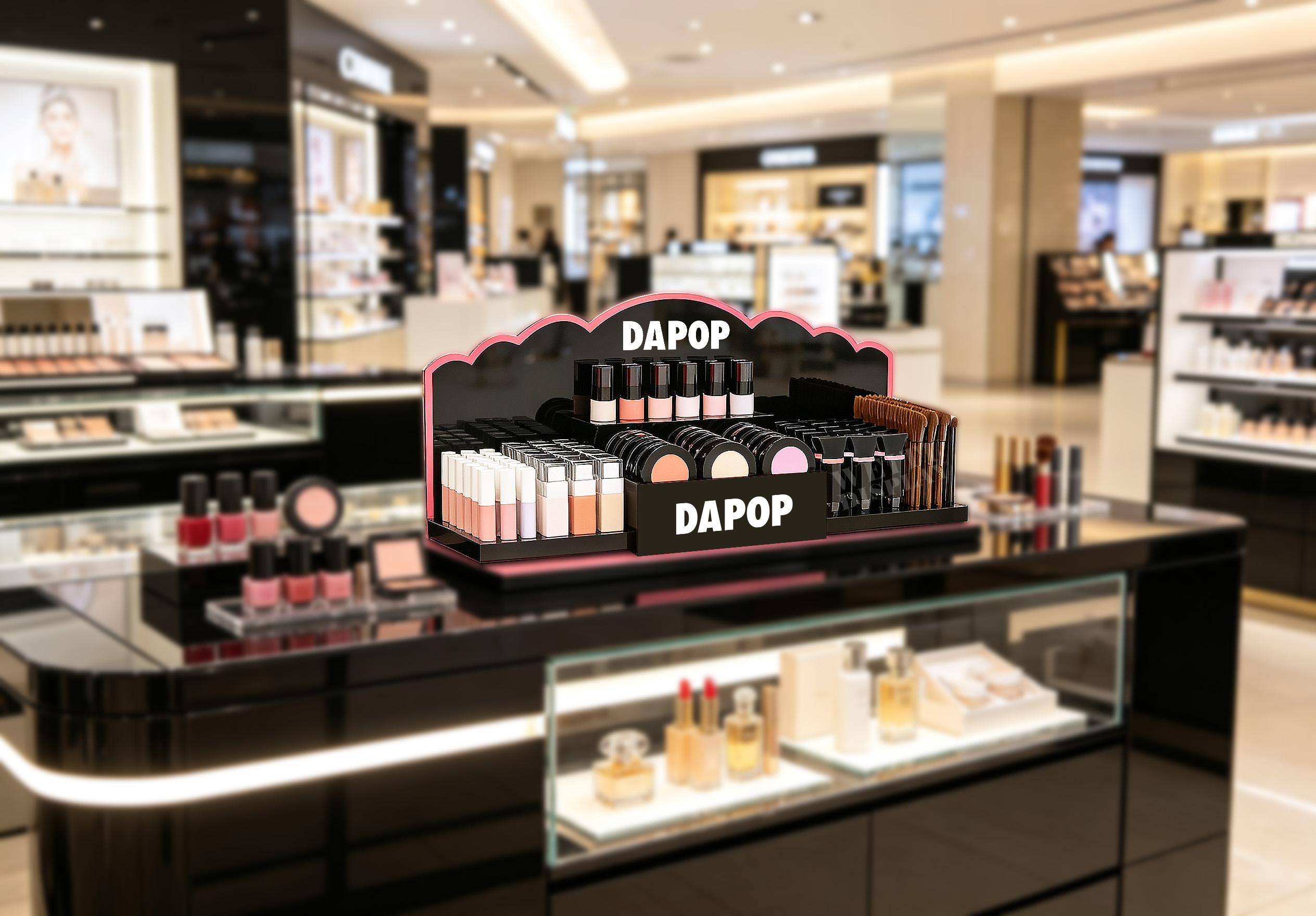
5. Understand Its Quality Control Process
A good-looking design does not automatically guarantee a reliable finished product. Manufacturing quality should be evaluated throughout production, not just when the final order is delivered.
Buyers should ask about inspection procedures, material checks, assembly standards, packaging methods, and quality documentation.
A structured display inspection process can help identify potential problems before products leave the factory.
Important inspection points include:
Material inspection: Check whether the materials match the approved specifications.
Structural inspection: Confirm stability, dimensions, and assembly accuracy.
Surface inspection: Look for scratches, uneven finishes, and visible defects.
Printing inspection: Check logo placement, colors, and graphic clarity.
Packaging inspection: Ensure displays are adequately protected during transportation.
For international buyers, packaging quality deserves particular attention. Retail displays may contain acrylic panels, printed components, or other materials that require suitable protection during shipping.
6. Consider Its Experience with Different Business Models
A manufacturer's ability to serve different types of customers can also indicate its flexibility.
Independent beauty brands, established cosmetics companies, supermarket chains, and retail distributors may have very different purchasing requirements.
For example, a cosmetic brand display should reflect the brand's visual identity and product positioning. Meanwhile, a multi-store display rollout requires consistent specifications, coordinated production, and reliable delivery arrangements.
Supermarkets and general retailers may also need a grocery display designed for different product categories and shopping environments.
Before selecting a supplier, consider whether it understands your business model and can accommodate your expected order volume.
This is especially relevant for businesses planning to expand into additional locations or introduce new product collections.
7. Compare Communication, Pricing, and Delivery
Price is an important purchasing factor, but the lowest quotation does not always represent the best value.
A reliable manufacturing partner should provide clear information about project costs, production schedules, customization details, and shipping arrangements.
When comparing quotations, make sure they cover similar specifications. A lower price may reflect different materials, fewer customization options, or less comprehensive packaging.
It is worth discussing the following details before confirming an order:
Minimum order quantities.
Sample development costs.
Production lead times.
Material and printing specifications.
Packaging requirements.
Shipping methods and estimated delivery schedules.
Procedures for handling quality issues.
Communication also matters. Manufacturers should respond clearly to technical questions, explain potential production limitations, and keep buyers informed about important project updates.
Why Consider WeituDisplay for Custom Retail Displays?
Finding a suitable manufacturing partner becomes easier when buyers can access design, customization, and production support through one supplier.
WeituDisplay provides custom retail display solutions for beauty brands, cosmetics businesses, retailers, and other commercial clients.
Its product range covers different merchandising applications, including lipstick displays, face makeup displays, eye makeup displays, skincare displays, fragrance displays, and other retail fixtures.
Beyond individual display products, WeituDisplay also provides services covering custom display design, branded solutions, sampling, and quality and logistics support.
This approach can be useful for businesses that need more than standard display fixtures. Whether developing a new cosmetics display, updating an existing retail environment, or coordinating displays across multiple locations, buyers can explore solutions based on their products and project requirements.
Finding a reliable custom display manufacturer requires careful evaluation of several factors. Industry experience, design capabilities, material quality, customization options, inspection procedures, and delivery arrangements all deserve attention.
Rather than choosing a supplier based on price alone, buyers should look for a manufacturing partner that understands their products and can support their long-term merchandising plans.
With appropriate planning and communication, the right manufacturer can help transform retail display ideas into practical fixtures that improve product presentation and create a more consistent shopping experience.


Comments
Post a Comment